
Every year, International Women’s Day celebrates resilience, leadership, and the remarkable achievements of women around the world. It is a moment of recognition and empowerment. Yet alongside these celebrations exists a quieter narrative that many women carry silently.
Across cultures, women are often praised for being strong, dependable, and emotionally resilient. While strength can be empowering, the expectation to always be composed, capable, and selfless can also create pressure that leaves little room for vulnerability.
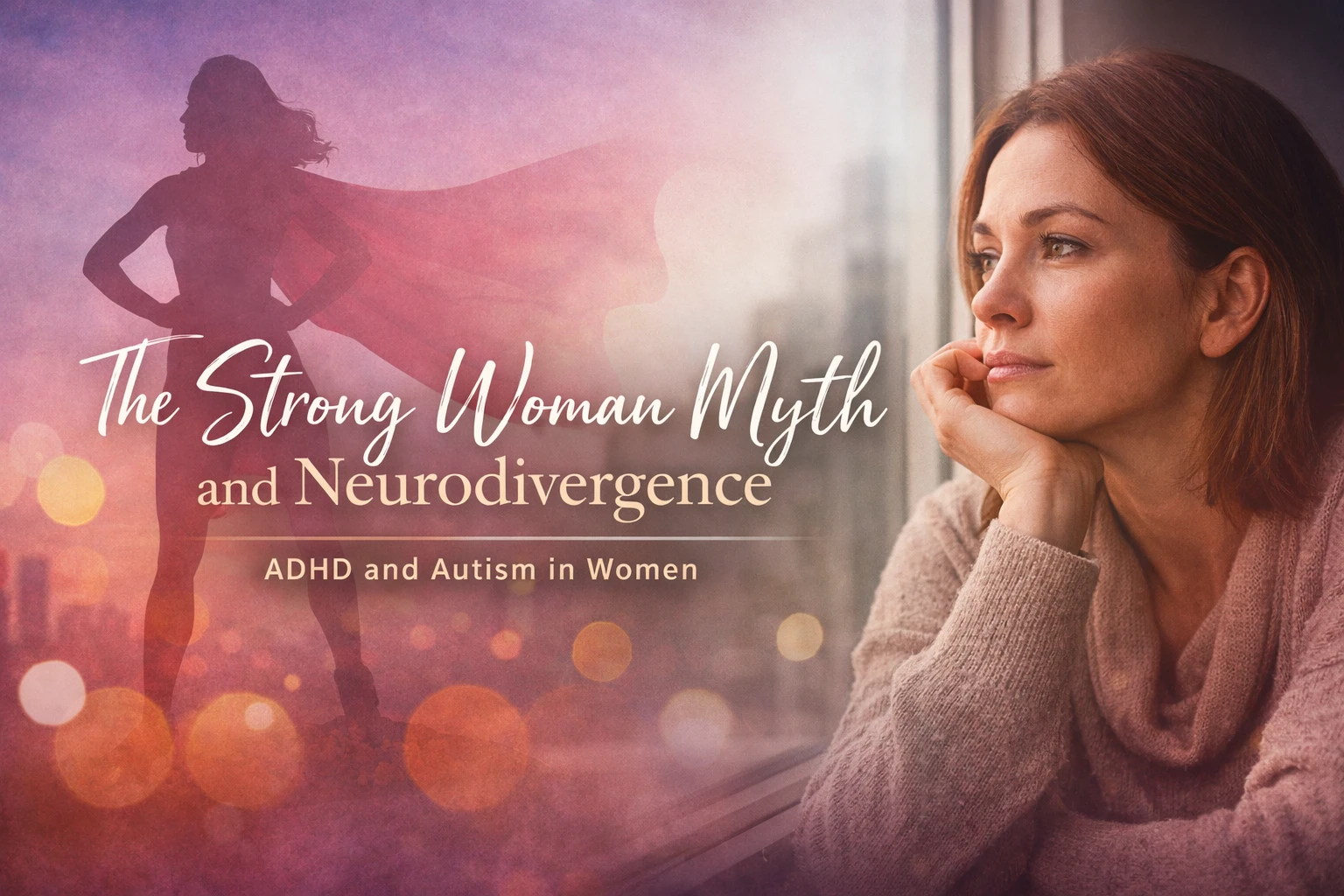
For neurodivergent women living with ADHD or autism, this expectation can become particularly complex. Many spend years striving to live up to the image of the capable woman while privately navigating cognitive, emotional, and sensory challenges that remain unseen.
The myth of the “strong woman” can sometimes conceal struggles that deserve recognition, understanding, and support.
Neurodivergence refers to natural variations in how the brain processes information, emotions, and social experiences. ADHD and autism are two of the most recognised neurodevelopmental conditions within this framework.
For many years, research and diagnostic frameworks focused primarily on male presentations of these conditions. As a result, ADHD and autism in women were often misunderstood or overlooked.
Women frequently develop coping strategies that allow them to navigate social expectations more smoothly than their male counterparts. They may appear organised, socially engaged, and capable of managing multiple responsibilities.
However, beneath this external competence, many neurodivergent women experience persistent mental fatigue, difficulty with executive functioning, sensory sensitivities, and emotional overwhelm.
These internal experiences often remain invisible to others.
One of the most significant reasons ADHD and autism can go unnoticed in women is a phenomenon known as masking.
Masking refers to the conscious or unconscious effort to hide behaviours or traits that might be perceived as socially unusual. Many girls learn early in life to observe and mimic social cues to fit in.
They may rehearse conversations, closely monitor their tone of voice, or suppress natural behaviours that might attract attention. Over time, this effort can become second nature.
While masking may help individuals navigate social environments, it often comes at a psychological cost. Constantly monitoring one’s behaviour requires significant mental energy and can contribute to chronic stress, exhaustion, and feelings of disconnection from one’s authentic self.
In many societies, women are expected to manage numerous roles simultaneously. Professional responsibilities, family obligations, social relationships, and emotional labour often converge into a substantial mental load.
For neurodivergent women, this balancing act can become particularly overwhelming.
Tasks that others perceive as simple may require intense concentration and organisation. Maintaining routines, managing time effectively, and navigating complex social interactions can demand continuous cognitive effort.
Yet because many women appear outwardly competent, their internal struggle is often misunderstood or minimised.
This disconnect between external perception and internal experience can contribute to feelings of isolation.
In recent years, there has been a noticeable increase in adult women seeking assessments for ADHD and autism. Many receive diagnoses in their twenties, thirties, or even later.
For some, the turning point arrives during periods of significant life change. Parenthood, career transitions, or increased responsibilities can place new demands on cognitive and emotional resources. When coping strategies that once worked begin to feel insufficient, women may start exploring the
possibility of neurodivergence.
Receiving a diagnosis can bring both relief and reflection. Many women describe the experience as a moment of clarity that helps them understand lifelong patterns that previously felt confusing.
The cultural narrative of the “strong woman” often emphasises endurance and self-sacrifice. However, true strength can also involve self-awareness, acceptance, and the courage to seek understanding.
Recognising neurodivergence does not diminish capability. Instead, it can open the door to strategies that support wellbeing, productivity, and self-compassion.
When women are able to understand how their minds work, they are better equipped to create environments and routines that align with their strengths.
International Women’s Day encourages society to reflect on the diverse experiences of women across different communities and cultures.
Including neurodivergent voices within this conversation is essential. ADHD and autism are not limitations on potential. Rather, they represent different ways of thinking, processing, and engaging with the world.
As awareness continues to grow, more women are gaining the language and understanding needed to describe their experiences.
This shift is helping create a more inclusive understanding of mental health and human diversity.
The myth of the endlessly resilient woman has shaped expectations for generations. While strength is often celebrated, it should never require silence around personal struggles.
For many women living with ADHD or autism, years of masking and managing expectations can lead to exhaustion and misunderstanding. Increasing awareness of neurodivergence is helping to change that narrative.
International Women’s Day provides an opportunity to recognise not only the achievements of women but also the complexity of their experiences.
Acknowledging neurodivergence in women allows for a more compassionate and accurate understanding of mental health. It reminds us that strength is not defined by the absence of struggle but by the courage to seek understanding, support, and self-acceptance.
Quote for the Blog
“Strength is not the absence of struggle. It is the courage to understand oneself in a world that expects silence.”